
REHDA Institute Lunch Forum Champions Sustainable Urban Renewal for Malaysia’s Future

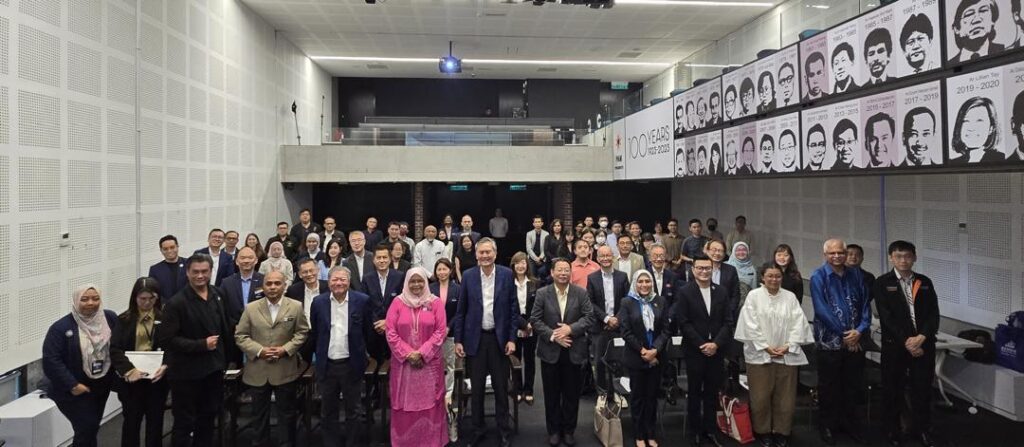
In response to Malaysia’s growing urban challenges and opportunities for sustainable redevelopment, REHDA Institute today convened a highly relevant Lunch Forum titled “Resilient Cities, Sustainable Futures: Transforming Urban Landscapes through Sustainable Renewal”. The event was held at the PAM Building, Bangsar, and was supported by an impressive lineup of collaborators, including Pertubuhan Akitek Malaysia (PAM), Malaysian Institute of Planners (MIP), Monash University Malaysia, Universiti Tunku Abdul Rahman (UTAR), and VICTIMS Malaysia.
The forum comes at a pivotal time for Malaysia’s urban development landscape, with the country recently assuming the Presidency of UN-Habitat and preparing for the rollout of the Urban Renewal Act (URA). With cities facing mounting pressures from aging infrastructure, increasing population density, and climate challenges, the forum sought to promote strategic, people-centric, and forward-looking solutions to urban renewal.
Opening Address by Kuala Lumpur Mayor: A Call for Collaborative Action
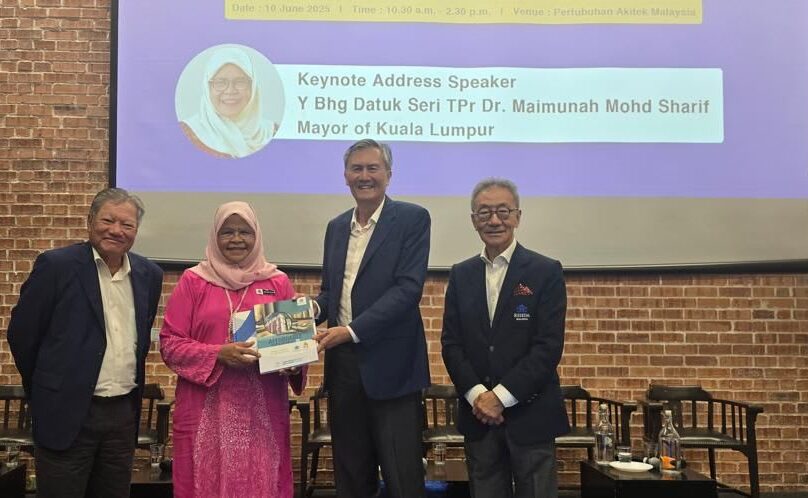
The event was graced by YBhg Datuk Seri TPr Dr. Maimunah Mohd Sharif, Mayor of Kuala Lumpur, who delivered a powerful keynote address. Drawing from her distinguished career in international urban governance and planning, Datuk Seri Maimunah emphasised the critical importance of collaboration among stakeholders in shaping a more liveable and inclusive capital city.
She highlighted that the success of urban renewal depends not solely on policy, but on shared responsibility among government bodies, private developers, academia, and the rakyat. She reiterated that making Kuala Lumpur and other cities resilient requires aligning social, economic, and environmental goals, with people at the centre of the process.
Panel Discussion: Cross-Sectoral Insights for Urban Transformation
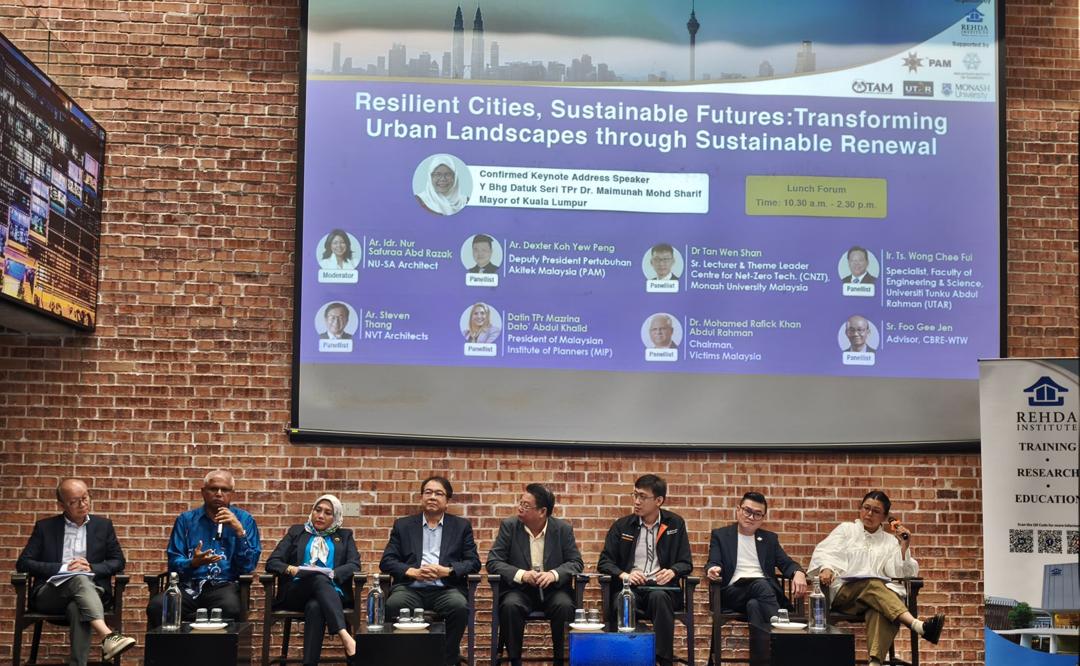
The forum’s main highlight was a robust panel discussion featuring leading voices from planning, architecture, engineering, academia, civil society, and real estate. The diverse panel explored innovative frameworks and practical tools to navigate Malaysia’s evolving urban renewal challenges.
The panel featured a distinguished lineup of experts, including Sr. Foo Gee Jen, Advisor at CBRE-WTW; Dr. Mohamed Rafick Khan Abdul Rahman, Chairman of VICTIMS Malaysia; Datin TPr Mazrina Dato’ Abdul Khalid, President of the Malaysian Institute of Planners (MIP); Ar. Steven Thang, Director of NVT Architects; Ir. Ts. Wong Chee Fui, Specialist at the Faculty of
Engineering & Science, Universiti Tunku Abdul Rahman (UTAR); Dr. Tan Wen Shan, Senior Lecturer and Theme Leader at the Centre for Net-Zero Technology (CNZT), Monash University Malaysia; Ar. Dexter Koh Yew Peng, Deputy President of Pertubuhan Akitek Malaysia (PAM); and Ar. Idr. Nur Safuraa Abd Razak, Principal at NU-SA Architect.
Key Takeaways: A Five-Point Strategic Framework for Urban Renewal
Delivering his Closing Remarks, Dato’ Jeffrey Ng Tiong Lip, Chairman of REHDA Institute, articulated a concise five-point framework that captured the essence of the day’s dialogue:
- Homeowners Lead Through Structured Engagement
Residents should be empowered to initiate and drive redevelopment efforts through well-organised committees and transparent processes involving professionals and local authorities. - Unlock Full Land Value Before Developers Step In
With early access to expert planning and legal advice, homeowners can maximise the potential of their land and negotiate more equitable redevelopment terms. - Local Authorities as Strategic Community Partners
Municipal councils must evolve into active, trusted advisors that support planning, protect community interests, and offer structured consultation services. - Redevelopment Without Displacement
People must remain at the heart of renewal strategies. On-site rehousing or dignified relocation must be guaranteed to preserve the community’s social fabric. - Plan First, Negotiate From Strength
Proactive and inclusive planning allows communities to attract the right development partners, ensuring long-term value for residents and the urban landscape.
Towards a National Urban Renewal Agenda
The forum’s outcomes will significantly contribute to the ongoing policy discourse involving PLANMalaysia, the Ministry of Housing and Local Government, and other relevant urban development agencies. The insights shared reflect a collective vision to transform Malaysia’s urban future through sustainable, inclusive, and community-led renewal.
As urbanisation accelerates, the urgency to balance development with environmental, economic, and social sustainability grows. Through events like this, REHDA Institute continues to play a vital role in equipping stakeholders with the knowledge, tools, and networks necessary to build resilient, liveable, and future-ready Malaysian cities.